
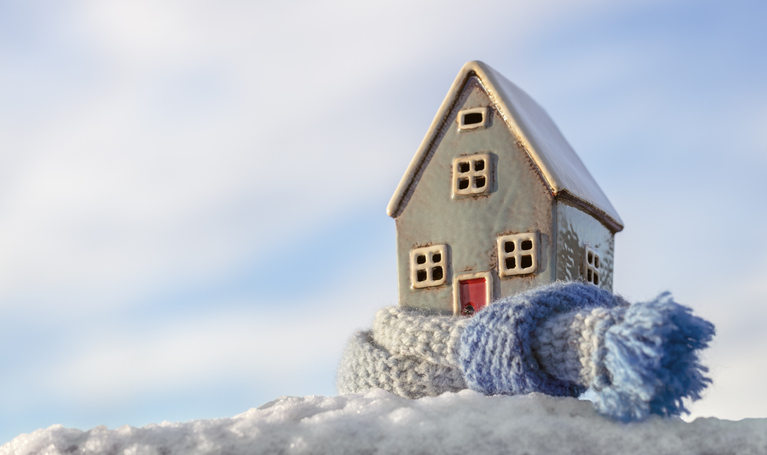
As winter approaches, bringing chilly winds and dropping temperatures, many homeowners start thinking about their heating bills. An unprepared home can lose a significant amount of heat, leading to uncomfortable drafts and unnecessarily high energy costs. Taking the time to weatherize your home is a smart investment that pays off in both comfort and savings.
Weatherizing involves sealing air leaks and improving insulation to keep the warm air in and the cold air out. This guide will walk you through the essential steps to prepare your home for the colder months. You’ll learn practical, effective techniques to identify problem areas and implement solutions, from simple DIY fixes to more involved projects. By following these steps, you can create a cozier living space and reduce your energy consumption all winter long.
Why Bother Weatherizing?
Before we get into the how-to, it’s worth understanding the tangible benefits of a well-weatherized home. The most immediate advantage is lower energy bills. The U.S. Department of Energy estimates that homeowners can save up to 15% on heating and cooling costs by air sealing their homes and adding insulation.
Beyond the financial savings, weatherizing significantly improves home comfort. It eliminates cold drafts that can make rooms feel unwelcoming and helps maintain a consistent temperature throughout your house. A properly sealed home also contributes to better indoor air quality by preventing dust, pollen, and other pollutants from entering through cracks and gaps. Finally, by using less energy, you’re reducing your carbon footprint, making weatherization an environmentally responsible choice.
Step-by-Step Guide to a Warmer Home
Ready to make your home a fortress against the cold? Follow these steps to systematically seal and insulate your living space.
1. Conduct a Home Energy Audit
The first step is to figure out where your home is losing the most heat. While you can hire a professional for a comprehensive energy audit, a DIY assessment can reveal the most common culprits.
- Look for Visible Gaps: Visually inspect the inside and outside of your home. Pay close attention to the areas where different materials meet, such as around windows, door frames, and where the foundation meets the wall.
- The Incense Test: On a cool, windy day, close all your windows and doors and turn off any fans. Light a stick of incense and hold it near potential leak spots like window frames, electrical outlets, and plumbing fixtures. If the smoke wavers or is drawn in a specific direction, you’ve found an air leak.
- Check Your Attic and Basement: These are often the biggest sources of heat loss. Look for gaps in insulation and unsealed openings where pipes or wires enter the living space.
2. Seal Air Leaks
Once you’ve identified the problem areas, it’s time to seal them up. This is one of the most cost-effective ways to improve your home’s energy efficiency.
- Caulking: Use caulk to fill small cracks and gaps (less than 1/4-inch wide) around stationary components like window and door frames. Choose a caulk that is appropriate for the surface material (wood, metal, masonry) and for either interior or exterior use.
- Weatherstripping: For moving parts like doors and operable windows, weatherstripping is the best solution. It creates a seal when the door or window is closed. There are many types, including adhesive-backed foam tape, V-strip (tension seal), and felt. Choose one that fits the gap and can withstand the friction of opening and closing.
- Spray Foam: For larger gaps and holes, especially around pipes and vents, expanding spray foam sealant is an excellent choice. It expands to fill irregular spaces, creating an airtight barrier.
3. Insulate Your Space
Proper insulation is crucial for keeping your home warm. Heat naturally moves to colder areas, and insulation slows this process down.
- Attic Insulation: Since heat rises, an under-insulated attic is a major source of energy loss. Check your attic’s insulation level. If you can see the tops of your floor joists, you likely need more insulation. The recommended level depends on your climate, but many homes benefit from adding insulation to reach a depth of 12 to 15 inches.
- Walls and Crawl Spaces: Insulating walls in an existing home can be a bigger project, but it’s worth considering if your home is particularly drafty. Crawl spaces and basements, especially the “rim joists” (the perimeter of the floor framing), should also be insulated to prevent cold floors.
- Hot Water Pipes: Don’t forget your plumbing. Insulating your hot water pipes reduces heat loss as water travels from the water heater to your faucet. This means you’ll get hot water faster and waste less energy. Pre-slit foam pipe sleeves are inexpensive and easy to install.
4. Address Windows and Doors
Windows and doors are notorious for energy loss. Even if you’ve sealed them with caulk and weatherstripping, you can take additional steps.
- Install Window Insulation Film: Inexpensive window insulation kits create an extra layer of protection. The plastic film is applied to the interior window frame and tightened with a hairdryer to create a pocket of insulating air. It’s a simple, effective, and temporary solution for the winter months.
- Use Heavy Curtains: Thermal curtains are designed with a special lining to block drafts and reduce heat transfer. Opening them during the day to let in sunlight and closing them at night can make a noticeable difference in a room’s temperature.
- Add a Door Sweep: If you can see daylight under your exterior doors, you’re losing a lot of heat. Install a door sweep at the bottom to seal this gap. They are available in various styles, from simple slide-on versions to more durable screw-on models.
Prepare for Winter Today
Weatherizing your home is a proactive step that delivers immediate returns in comfort and long-term savings on your energy bills. By conducting a simple audit, sealing leaks, and improving your insulation, you can transform your home into a cozy refuge from the winter cold.
Start with the easiest and most affordable tasks, like caulking gaps and applying window film. Even these small actions can add up to significant savings. Taking the time now to prepare your home will ensure you stay warm and comfortable all season long, without breaking the bank on heating costs.