
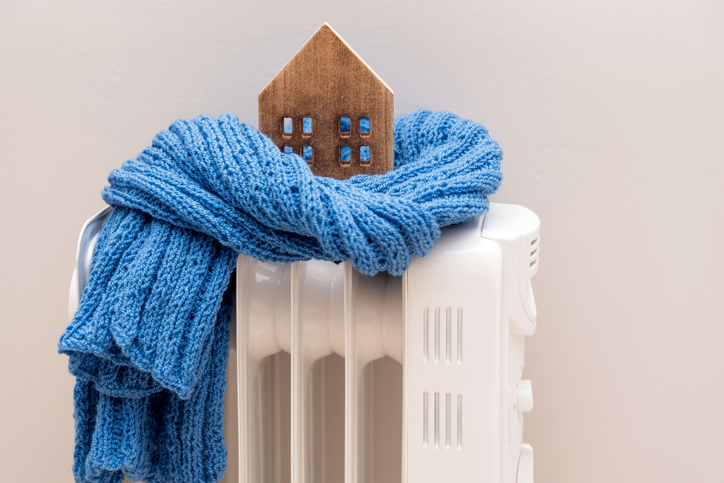
When the winter chill sets in, your home’s heating, ventilation, and air conditioning (HVAC) system becomes your best friend. It transforms a frosty house into a warm, comfortable haven. However, this comfort often comes at a cost. Your HVAC system works overtime during cold months, which can lead to soaring energy bills and an increased risk of breakdowns.
Keeping your system running efficiently is crucial not only for your comfort but also for your wallet and your peace of mind. Regular maintenance and smart usage can significantly reduce energy consumption, prevent costly repairs, and extend the lifespan of your unit.
This guide will walk you through practical steps to ensure your HVAC system performs at its best throughout the winter. From simple DIY checks to knowing when to call a professional, we’ll cover everything you need to maintain an efficient and reliable heating system.
The Importance of Winter HVAC Maintenance
Ignoring your HVAC system until something goes wrong is a common mistake, but it can be a costly one. Proactive maintenance is the key to avoiding unexpected failures, especially during a winter storm when you need your heat the most. An efficient HVAC system consumes less energy, which directly translates to lower utility bills. According to the U.S. Department of Energy, heating and cooling account for about half of a typical home’s energy use, so even small efficiency gains can lead to significant savings.
Furthermore, a well-maintained system provides more consistent and reliable heating. It can better maintain your desired temperature without constantly cycling on and off, which reduces wear and tear on its components. Regular check-ups also improve indoor air quality. Clean filters and components prevent dust, allergens, and other pollutants from circulating throughout your home, helping your family breathe easier. Finally, preventative care extends the life of your HVAC unit, protecting your investment and delaying the need for a costly replacement.
How to Prepare Your HVAC for Winter
Follow these steps to ensure your HVAC system is ready to handle the cold weather efficiently and reliably.
1. Check and Change Your Air Filters
This is one of the simplest yet most effective maintenance tasks you can perform. Clogged or dirty air filters restrict airflow, forcing your HVAC system to work harder to circulate warm air. This inefficiency leads to higher energy bills and can strain the system’s motor.
- How often: Check your filters monthly and replace them at least every three months. If you have pets, smokers, or allergy sufferers in your home, you may need to change them more frequently.
- How to do it: Locate the filter compartment on your indoor unit. Slide out the old filter and note its size, which is printed on the frame. Purchase a new filter of the same size and slide it into the slot, ensuring the airflow arrows point in the correct direction (usually toward the furnace).
2. Clear the Area Around Your Units
Your HVAC system needs space to breathe. Obstructions around both the indoor and outdoor units can impede airflow and reduce efficiency.
- Indoor Unit (Furnace): Keep the area around your furnace clear of storage boxes, furniture, and flammable materials. A clear space of at least 30 inches is recommended to ensure proper ventilation and provide safe access for technicians.
- Outdoor Unit (Heat Pump/AC): Even though you won’t be using your air conditioner, your outdoor unit (especially for heat pumps) needs attention. Clear away leaves, branches, dirt, and any other debris that has accumulated around it. Trim back shrubs and bushes to maintain at least two feet of clearance on all sides. For heat pumps, it’s crucial to keep the unit free of snow and ice buildup.
3. Seal Air Leaks in Your Home
Your HVAC system can be perfectly efficient, but if your home is drafty, all that warm air will escape. Air leaks around windows, doors, and ductwork force your system to run longer to maintain the set temperature.
- Windows and Doors: Use weatherstripping and caulk to seal any gaps. You can detect leaks by holding a lit incense stick near frames on a windy day; if the smoke wavers, you have a leak.
- Ductwork: Leaky ducts can lose up to 30% of the air that moves through them. Inspect visible ductwork in your attic, crawlspace, or basement for gaps or loose connections. Use mastic sealant or metal-backed tape to seal any leaks you find.
4. Use a Programmable or Smart Thermostat
A thermostat is the brain of your HVAC system. Upgrading to a programmable or smart thermostat allows you to automate your heating schedule for maximum efficiency.
- How it helps: You can program the thermostat to lower the temperature by 7-10°F when you’re asleep or away from home. This simple adjustment can save you up to 10% a year on heating costs.
- Smart Thermostats: These devices go a step further by learning your habits and adjusting the temperature automatically. Many can also be controlled remotely via a smartphone app, giving you complete control over your home’s climate from anywhere.
5. Schedule Professional Maintenance
While DIY checks are important, they can’t replace a thorough inspection by a qualified HVAC technician. An annual professional tune-up is essential for safety, efficiency, and longevity.
During a tune-up, a technician will:
- Inspect and clean all internal components.
- Check for carbon monoxide leaks.
- Test electrical connections and system controls.
- Lubricate moving parts to reduce friction.
- Check and adjust gas pressure (for gas furnaces).
- Ensure the system is operating safely and efficiently.
Scheduling this service in the fall, before the peak winter season, ensures your system is ready for the cold and helps you avoid emergency service fees.
Ready for Winter?
Preparing your HVAC system for winter doesn’t have to be complicated. By following these steps, you can ensure your home stays warm and comfortable without breaking the bank. Regular filter changes, clearing your units, sealing leaks, and utilizing a smart thermostat are all simple actions that make a big difference.
Most importantly, don’t skip your annual professional maintenance appointment. A certified technician can spot potential issues before they become major problems, ensuring your system runs safely and efficiently all season long. Taking a proactive approach to your HVAC health is the best way to guarantee a cozy, worry-free winter.