
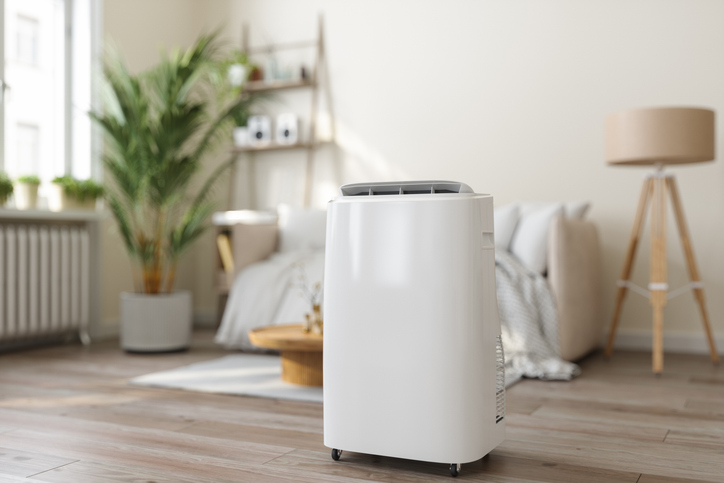
We often think about air pollution as an outdoor problem, filled with images of smoggy cities and industrial smokestacks. But what about the air inside our homes? We spend about 90% of our time indoors, where the air can be up to five times more polluted than the air outside. One of the biggest culprits affecting indoor air quality is something we might not even see: humidity.
Managing the moisture levels in your home is crucial for creating a healthy and comfortable living space. Uncontrolled humidity can lead to a host of problems, from mold growth and musty odors to allergy flare-ups and damage to your home’s structure. Getting the balance right can seem tricky, but it’s one of the most effective ways to improve your indoor environment.
This guide will walk you through the importance of humidity control and provide practical tips for improving the air quality in your home. You’ll learn how to identify humidity issues, what tools you can use, and simple daily habits that can make a significant difference. By the end, you’ll have a clear roadmap to breathing easier and living healthier.
Why Humidity Matters for Indoor Air Quality
Humidity is simply the amount of water vapor present in the air. While a certain level is necessary for comfort, problems arise when it gets too high or too low. The ideal indoor humidity level is generally between 30% and 50%. When it strays outside this range, you might start noticing some negative effects.
The Dangers of High Humidity
When there’s too much moisture in the air, your home can become a breeding ground for allergens and pollutants. High humidity (above 50-60%) creates the perfect environment for mold and mildew to thrive on walls, in bathrooms, and on fabrics. These fungi release spores into the air, which can trigger allergic reactions, asthma attacks, and other respiratory issues.
Dust mites, another common indoor allergen, also flourish in humid conditions. These microscopic creatures live in bedding, carpets, and upholstered furniture, and their waste products can cause significant irritation for allergy sufferers. Beyond health concerns, excessive moisture can cause wood to rot, paint to peel, and create a persistent, musty smell that makes your home feel damp and uncomfortable.
The Problems with Low Humidity
On the other end of the spectrum, air that is too dry (below 30%) can also cause problems. Low humidity can dry out your skin, lips, and nasal passages, leading to itchiness, irritation, and an increased susceptibility to colds and infections. It can also aggravate conditions like eczema and sinusitis.
Your home itself can suffer, too. Dry air can cause wooden floors, furniture, and even structural beams to shrink and crack. It can also create static electricity, which, while mostly just an annoyance, can sometimes damage sensitive electronic equipment.
How to Tell if Your Home Has a Humidity Problem
Before you can fix a humidity issue, you need to know you have one. Some signs are obvious, while others are more subtle.
Signs of High Humidity:
- Condensation: Fog or water droplets on windows, mirrors, or cold pipes.
- Musty Odors: A persistent damp or earthy smell, often concentrated in basements or bathrooms.
- Visible Mold: Black, green, or white spots growing on walls, ceilings, or around windows.
- Peeling Paint or Wallpaper: Moisture seeping into walls can cause finishes to bubble and peel.
- Damp or Clammy Feeling: The air feels heavy, and surfaces may feel slightly wet to the touch.
Signs of Low Humidity:
- Dry Skin and Chapped Lips: Constant irritation that lotion doesn’t seem to fix.
- Scratchy Throat and Nosebleeds: Your respiratory passages feel dry and irritated.
- Increased Static Electricity: Getting zapped when you touch doorknobs or other metal objects.
- Warping Wood: Gaps appearing in hardwood floors or cracks in wooden furniture.
For a more precise measurement, consider using a hygrometer. This inexpensive device measures the relative humidity in your home, giving you a clear number to work with. You can find standalone digital hygrometers or smart home devices that track humidity along with temperature.
Practical Tips for Controlling Indoor Humidity
Once you’ve identified an issue, you can take concrete steps to bring your home’s humidity back into the ideal range.
How to Reduce High Humidity
- Improve Ventilation: Proper airflow is your best defense against moisture buildup. Use exhaust fans in your kitchen and bathrooms every time you cook or shower, and let them run for 15-20 minutes afterward. If you don’t have exhaust fans, opening a window slightly can help.
- Use a Dehumidifier: For chronically damp areas like basements, crawl spaces, or laundry rooms, a dehumidifier is an essential tool. These appliances pull moisture directly from the air, collecting it in a reservoir that you can empty. Choose a model that’s appropriately sized for the space you need to treat.
- Fix Leaks Promptly: A small drip from a pipe or a leaky roof can introduce a surprising amount of moisture into your home. Regularly inspect your plumbing, roof, and foundation for any signs of leaks and repair them immediately.
- Manage Indoor Plants: Plants release moisture into the air through a process called transpiration. If you have a lot of houseplants, consider grouping them in one area or moving some to a less humid room.
- Run Your Air Conditioner: Your AC naturally dehumidifies the air as it cools. Running it during hot, humid weather will help keep moisture levels in check. Ensure your AC unit is properly sized for your home, as an oversized unit may cool the house too quickly without removing enough humidity.
How to Increase Low Humidity
- Use a Humidifier: Just as a dehumidifier removes moisture, a humidifier adds it back into the air. You can use portable humidifiers for single rooms or install a whole-house humidifier that connects to your HVAC system for consistent humidity control throughout your home.
- Embrace Houseplants: The same process of transpiration that adds moisture to the air can be a benefit in dry environments. Spider plants, ferns, and areca palms are great natural humidifiers.
- Air-Dry Your Laundry: Instead of using the dryer, hang your clothes on an indoor drying rack. As the clothes dry, they will release moisture into the air.
- Leave the Bathroom Door Open: After a hot shower, leave the door open to allow the steam to circulate into other parts of your home.
- Place Bowls of Water Near Heat Sources: Setting a bowl of water near a radiator or heating vent will allow the water to evaporate slowly, adding humidity to the air.
Create a Healthier Home Environment
Controlling the humidity in your home is one of the most effective ways to improve your indoor air quality and overall well-being. By maintaining a balance between 30% and 50% humidity, you can create a space that is not only more comfortable but also healthier for you and your family. Start by identifying potential issues, then implement these simple, practical strategies to breathe easier and protect your home from the damaging effects of too much or too little moisture. Your lungs—and your house—will thank you.