
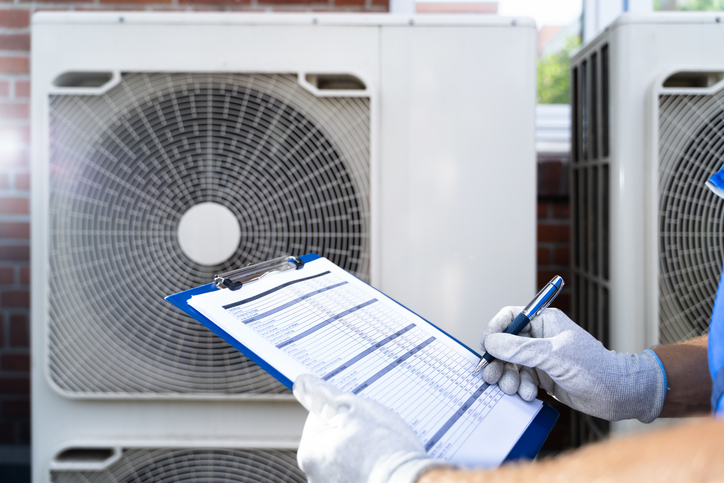
As autumn leaves begin to fall and a distinct chill fills the air, our attention turns to cozy sweaters and warm drinks. But this is also a critical time to prepare your home’s heating system for the colder months ahead. Proper HVAC maintenance is key to avoiding the sudden discomfort of a furnace failure on the coldest day of the year. A thorough upkeep routine, combining simple DIY tasks with professional expertise, ensures your system runs efficiently and lasts longer. Taking these steps now will keep your home warm and comfortable all winter long.
This guide provides a comprehensive checklist to help you get your HVAC system ready for winter, covering everything from outdoor unit care to indoor furnace checks. By following these steps, you can prevent unexpected breakdowns, improve energy efficiency, and ensure your family’s safety.
The Quick HVAC Winter Prep Checklist
For a quick overview, here is a simple checklist of tasks to complete before winter arrives. Use it to track your progress and make sure you don’t miss any crucial steps.
Outdoor Tasks
- Clear away vegetation and debris from around your heat pump.
- Cover your outdoor AC condenser unit for protection.
Indoor Tasks
- Replace or clean the furnace air filter.
- Clear any clutter from around the furnace area.
- Check that the furnace pilot light is lit.
- Ensure all heating registers are clear of obstructions.
- Test the furnace and thermostat to confirm they are working correctly.
- Clean the water panel in your whole-house humidifier, if you have one.
- Test your carbon monoxide detector and replace the batteries.
Professional Maintenance
- Schedule a professional inspection and tune-up for your HVAC system.
Outdoor HVAC Winter Care
Before you focus on the indoor components of your heating system, there are a few important tasks to handle outside. Your approach will depend on whether you have a heat pump or a central air conditioning unit.
If your home uses a heat pump for both heating and cooling, inspect the area around the outdoor unit. Clear away any leaves, branches, or overgrown vegetation that may have accumulated over the summer. A clear space of at least two feet around the unit is necessary for proper airflow, which is essential for efficient operation.
For homes with a central air conditioner, the outdoor condenser unit will be dormant during the winter. To protect it from snow, ice, and falling debris, place a cover over it. This simple step can prevent damage to the fins and internal components, extending the life of your AC unit. While some covers are designed to fit specific models, a simple waterproof tarp secured with bungee cords can also do the trick.
Indoor HVAC Winter Care
With your outdoor units prepped, it’s time to move inside and get your furnace ready for action. These indoor tasks are crucial for ensuring your system runs safely and efficiently throughout the season.
Clear the Area Around Your Furnace
First, inspect the area around your furnace. This space can often become a storage spot for household items, but it’s vital to keep it clear. Ensure there is at least three feet of open space on all sides of the unit. This clearance prevents fire hazards and allows for proper ventilation, which is necessary for your furnace to operate correctly.
Clean or Replace the Air Filter
One of the most important maintenance tasks is changing your furnace filter. A clogged or dirty filter restricts airflow, forcing your system to work harder to heat your home. This not only decreases efficiency and increases your energy bills but can also lead to system damage over time.
Check your filter and either clean it if it’s reusable or replace it with a new one. It’s a good practice to check the filter monthly during the heating season and replace it as needed. Stocking up on filters now means you’ll be prepared for the entire winter.
Check Your Humidifier and Swap Out Batteries
If your home has a whole-house humidifier connected to the HVAC system, now is the time to prepare it for use. Clean the water panel to remove any mineral buildup or debris. A clean humidifier will operate more effectively, adding necessary moisture to the dry winter air and improving your home’s comfort.
Next, focus on safety by checking your carbon monoxide detector. Since furnaces can be a source of carbon monoxide leaks, a functioning detector is non-negotiable. Replace the batteries at least once a year and test the unit to ensure it is working properly. This small task is one of the most important things you can do to protect your family.
Perform a Basic System Test
Before you need to rely on your heat full-time, it’s wise to perform a test run. First, check the pilot light on your furnace to ensure it’s lit. If it’s out, follow the manufacturer’s instructions to relight it.
Once the pilot light is confirmed, turn on your heat at the thermostat. Set the temperature to at least 75°F and wait for the system to kick on. As it runs, walk through your home and check each heating register. Make sure they are not blocked by furniture, rugs, or other items. Feel for warm air coming out of each vent. If you notice a lack of airflow from a particular register or if the air isn’t warm, it could signal a problem that needs to be addressed. If everything seems to be working correctly, you can rest easy knowing your furnace is ready.
Why You Need Professional Help
While DIY maintenance is crucial, scheduling a professional inspection before the heating season is equally important. An HVAC expert has the knowledge and tools to perform a thorough check-up, identifying potential issues that might go unnoticed by a homeowner. These annual inspections can catch minor problems before they escalate into major, costly repairs.
What the Pros Should Check
During a professional tune-up, a technician will examine several key components of your system. They should inspect the burner assembly, ignition system, and heat exchanger for any signs of wear or damage. For gas furnaces, the technician will check the gas system for leaks and ensure proper pressure. They will also inspect the combustion blower, fan belt, and control box. Finally, a professional will look over the system’s wiring for any corrosion or loose connections that could pose a safety risk. This comprehensive check ensures every part of your furnace is in top condition.
Stay Warm and Worry-Free
Your home’s heating system is one of its most essential components, providing warmth and comfort throughout the cold winter months. While this winter HVAC checklist may seem extensive, the steps are straightforward and well worth the effort. Investing a little time in maintenance now can save you from the stress and expense of an emergency repair later. By taking these proactive measures, you can ensure your furnace operates reliably and efficiently, keeping your home cozy all winter long.